Exploring E-Waste: Debunking Myths and Uncovering Facts About Recycling
E-waste is a growing concern in today's digital age. A large number of people maintain false beliefs about the recycling process. Common beliefs suggest that electronic waste is unrecyclable or that options for disposal are scarce. Such misconceptions may impede proper recycling practices and worsen environmental harm. Comprehending the truths about electronic waste management is vital. What are the actual impacts on the environment, and how can individuals contribute to a more sustainable future? Investigating these matters brings forth critical understanding.
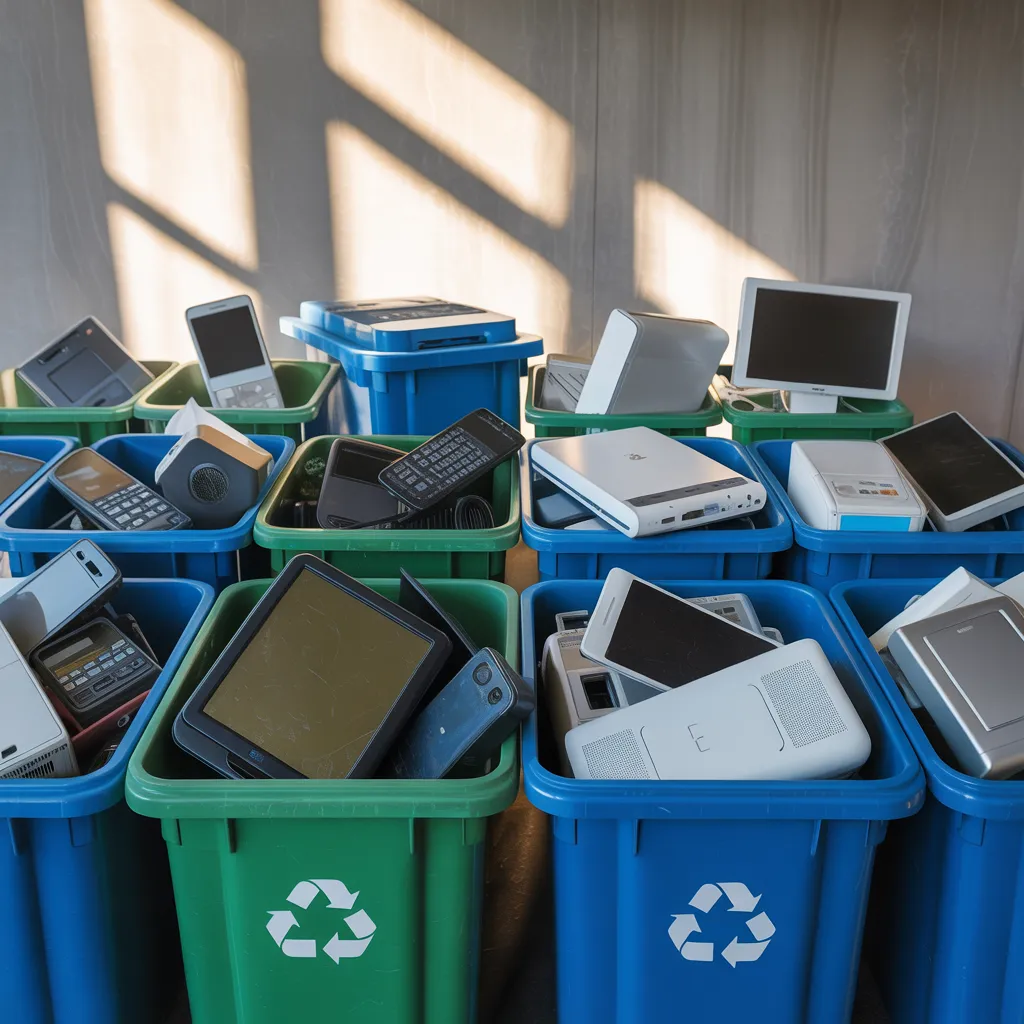
Unpacking E-Waste: What It Involves and How to Manage It Responsibly
E-waste, also referred to as electronic waste, encompasses disposed electrical appliances, including personal computers, smartphones, and television sets. This classification of waste is expanding quickly owing to the swift progression of technological innovation, giving rise to serious ecological issues. Numerous electronic products harbor dangerous substances including lead, mercury, and cadmium, which can pose risks to human health and ecosystems when improperly disposed of.
Responsible disposal of e-waste involves recycling through certified programs that guarantee safe handling and processing. Various local and national organizations offer collection events, drop-off centers, and mail-in recycling options. Consumers are encouraged to check for certification labels, such as R2 or e-Stewards, to confirm their e-waste is managed responsibly. In addition, donating functioning devices can extend their life cycle while reducing waste. By understanding e-waste and following proper disposal methods, individuals can contribute to a more sustainable future and mitigate environmental impacts.
Busting Popular Myths Surrounding E-Waste Recycling
In what ways do common misconceptions about e-waste recycling impede effective disposal practices? Misconceptions about e-waste recycling frequently result in improper disposal methods, ultimately worsening the situation. A common myth is that all e-waste can be recycled, which may encourage complacency. In practice, not all components are suitable for standard processing, and some demand specialized treatment. Another common belief is that recycling e-waste is excessively complicated or costly, preventing individuals from getting involved. As a matter of fact, a great many communities make available accessible and cost-free recycling programs. Furthermore, the assumption that e-waste inevitably ends up in landfills disregards the considerable efforts of recycling organizations that emphasize responsible processing. These falsehoods not only deceive the public but also hinder the unified effort essential for managing e-waste in a sustainable manner. Tackling and dispelling these misconceptions is vital for promoting responsible consumer behavior and improving the overall effectiveness of e-waste recycling efforts.
What Is the Environmental Impact of Ignoring E-Waste Recycling
Neglecting to recycle electronic waste poses significant threats to the environment. When electronics are disposed of incorrectly, dangerous chemicals like lead, mercury, and cadmium can leach into soil and water systems, leading to severe pollution. These harmful materials endanger both wildlife and human health, undermining ecosystems and tainting food chains.
Moreover, the accumulation of e-waste in landfills accelerates the degradation of natural resources. Precious metals and materials that might otherwise be recovered and repurposed are squandered, driving up the demand for new mining operations, which further harms the environment. Beyond that, the carbon footprint linked to manufacturing new electronics is compounded, as raw materials are extracted and processed.
Effective Techniques for Recycling Your Old Electronics
In the context of disposing of outdated electronic devices, there are multiple viable solutions for consumers. Regional recycling facilities often provide secure methods for disposal, making certain that all materials undergo proper processing. Furthermore, charitable giving of working electronics can maximize their usefulness while making a positive difference for underserved communities.
Neighborhood Recycling Efforts
Numerous communities currently provide local recycling programs designed specifically for the responsible handling of aging electronic devices. These efforts work to minimize digital waste by offering convenient drop-off points and scheduled collection events. Homeowners can frequently locate information on qualifying items, making certain that harmful substances are responsibly controlled. Local recycling initiatives may partner with certified e-waste recyclers, who follow environmental regulations to reclaim valuable materials and dispose of harmful components responsibly. A number of programs further include benefits, including reduced pricing on replacement devices, to promote community involvement. By utilizing these local resources, residents can support ecological preservation while ensuring their old devices are recycled in a safe and effective manner. Awareness of these options is essential for responsible e-waste management.
Options for Donating
Regional recycling efforts not only establish a way for responsible disposal but also open up possibilities for donating pre-owned electronics. Many organizations accept functioning devices, such as computers, smartphones, and tablets, which can be repurposed for educational or charitable use. Schools, non-profits, and community centers often welcome such donations, ensuring that valuable technology reaches those in need. Moreover, select manufacturers and retailers run trade-in schemes, permitting individuals to exchange aging devices for store credit, which supports sustainable consumption. It is important to investigate nearby alternatives and confirm that the accepting organization adheres to ethical recycling standards. By donating instead of discarding, individuals can extend the lifecycle of electronics while supporting their community's technological needs.
How Recycling E-Waste Can Benefit You and the Environment
Although some may overlook its significance, e-waste recycling delivers considerable value for both people and the planet. By appropriately handling discarded electronics, individuals can ensure that precious resources, such as metallic and plastic components, are extracted and reintegrated, reducing the need for raw material extraction. This not only protects valuable natural assets but also reduces contamination Try it free associated with mining and manufacturing processes.
Moreover, recycling e-waste works to prevent toxic substances, such as lead, mercury, and similar toxins, from contaminating soil and water sources. Through keeping e-waste out of landfills, neighborhoods can significantly reduce potential health risks to both humans and wildlife.
Moreover, participating in e-waste recycling can create financial benefits, as the recycling industry stimulates job growth and revitalizes local economies. When all is considered, effective e-waste recycling fosters a sustainable future, improving personal health, the ecological balance, and the economy in equal measure. Recognizing these advantages can prompt more citizens to engage in e-waste recycling programs.
Discovering Local E-Waste Recycling Programs in Your Area
Where can people find e-waste recycling programs near them? A variety of resources are available to assist in this endeavor. Local municipalities commonly host websites that catalog certified recycling facilities. These sites typically include details on accepted materials and any associated fees. Furthermore, organizations like Earth911 offer searchable online databases that enable users to discover local e-waste drop-off points by inputting their zip codes.
Municipal initiatives, such as e-waste collection days, are commonly hosted by city authorities or charitable organizations, offering convenient options for sustainable waste handling. Electronics retailers may also participate in recycling initiatives, accepting unwanted devices for appropriate handling. Furthermore, state-level ecological departments often provide direction on electronics recycling practices and can guide people to reputable waste management services. By leveraging these available tools, residents can ensure their e-waste is handled in an environmentally responsible manner, contributing to environmental sustainability.
Common Questions and Answers
Can E-Waste Be Repaired Instead of Recycled?
Electronic waste can often be repaired rather than recycled, depending on the condition of the device and the availability of replacement parts. Repairing prolongs the lifespan of the item and lessens the burden on the environment, offering an eco-friendly option compared to conventional recycling approaches.
What Types of Electronics Are Considered E-Waste?
Electronic waste consists of discarded electronics for example computers, smartphones, tablets, televisions, printers, and appliances. These devices often contain hazardous materials, making their proper disposal and recycling essential for environmental protection and public health.
Are There Any Legal Regulations on E-Waste Disposal?
Absolutely, there are laws and regulations governing e-waste disposal. Numerous countries and jurisdictions introduce legislation to safeguard proper recycling and disposal, aiming to reduce environmental harm and encourage responsible handling of e-waste through defined guidelines and protocols.
How Can I Safely Store E-Waste Before Recycling?
For the safe storage of e-waste prior to recycling, individuals should keep devices in a cool, dry place, remove all power sources, and utilize durable containers to avoid damage. Clearly label all items to ensure correct disposal at a later time.
What Certifications Are Important to Look for in E-Waste Recyclers?
When selecting e-waste recyclers, individuals should look for credentials such as R2 Responsible Recycling, e-Stewards, and ISO 14001. These qualifications confirm conformance to environmental guidelines and ethical management of electronic waste throughout the recycling process.